 Request a Demo
 Download Brochure

Structured Remediation Framework
Move from disconnected fixes to controlled workflows across investigation, CAPA, and documentation. Improve consistency and compliance control


FDA 483 observations and warning letters highlight critical gaps in pharmaceutical QC lab compliance, often linked to data integrity, documentation, and process control. For many laboratories, remediation begins with understanding inspection findings and moving toward structured corrective action supported by controlled systems and workflows. FDA 483 lab remediation is built by connecting investigations, CAPA, audit trails, and compliance documentation into a unified framework. This content hub brings together the key areas needed to manage regulatory findings and strengthen long-term inspection readiness in QC environments
Centralize all remediation activities into a structured environment where observations, investigations, CAPA actions, and documentation are managed in a connected way. This helps teams avoid fragmented tracking and ensures every action is visible and accountable across departments. By bringing remediation activities into a unified system, laboratories can improve coordination, reduce delays, and maintain a clear record of compliance actions. This also strengthens regulatory communication and inspection preparedness
Move from disconnected fixes to controlled workflows across investigation, CAPA, and documentation. Improve consistency and compliance control

Define corrective and preventive actions that address root causes and prevent recurrence. Ensure structured execution
Strengthen data integrity by reducing manual handling and improving traceability across QC operations

Maintain complete, time-stamped records to support regulatory review and inspection readiness
Identify underlying causes across systems and processes to enable effective remediation
Align remediation efforts with regulatory expectations to support sustained compliance
FDA Form 483 is issued after inspections to document observations where practices may not meet regulatory expectations. These findings often indicate gaps in data integrity, documentation control, or procedural compliance within QC labs. Understanding these observations helps teams prioritize remediation efforts and respond effectively to regulatory scrutiny
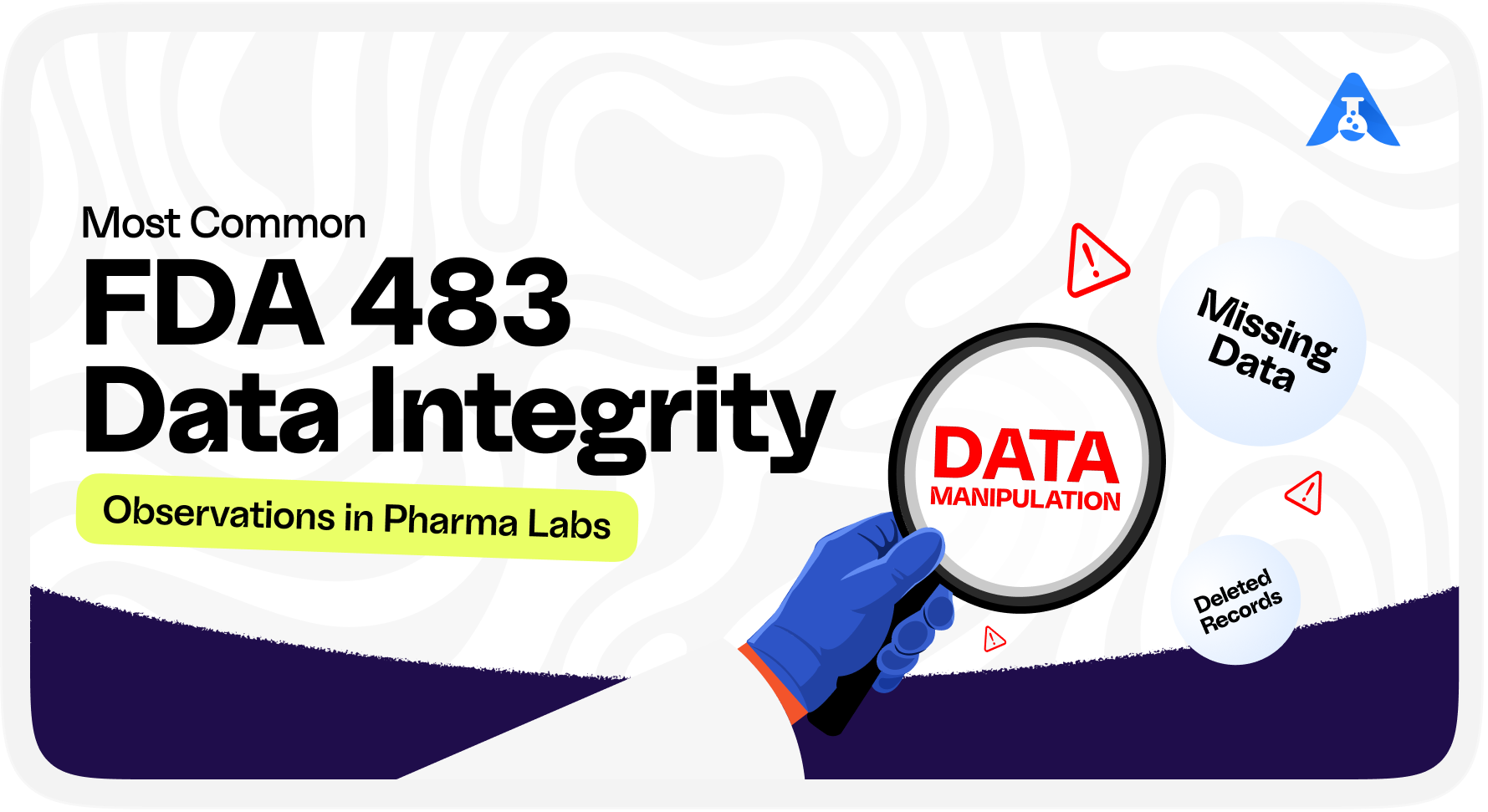
Data integrity issues remain one of the most frequently cited concerns in FDA inspections. These typically arise from manual data handling, incomplete audit trails, and fragmented systems that weaken traceability. Addressing these gaps is essential to ensure reliable data, regulatory compliance, and inspection readiness
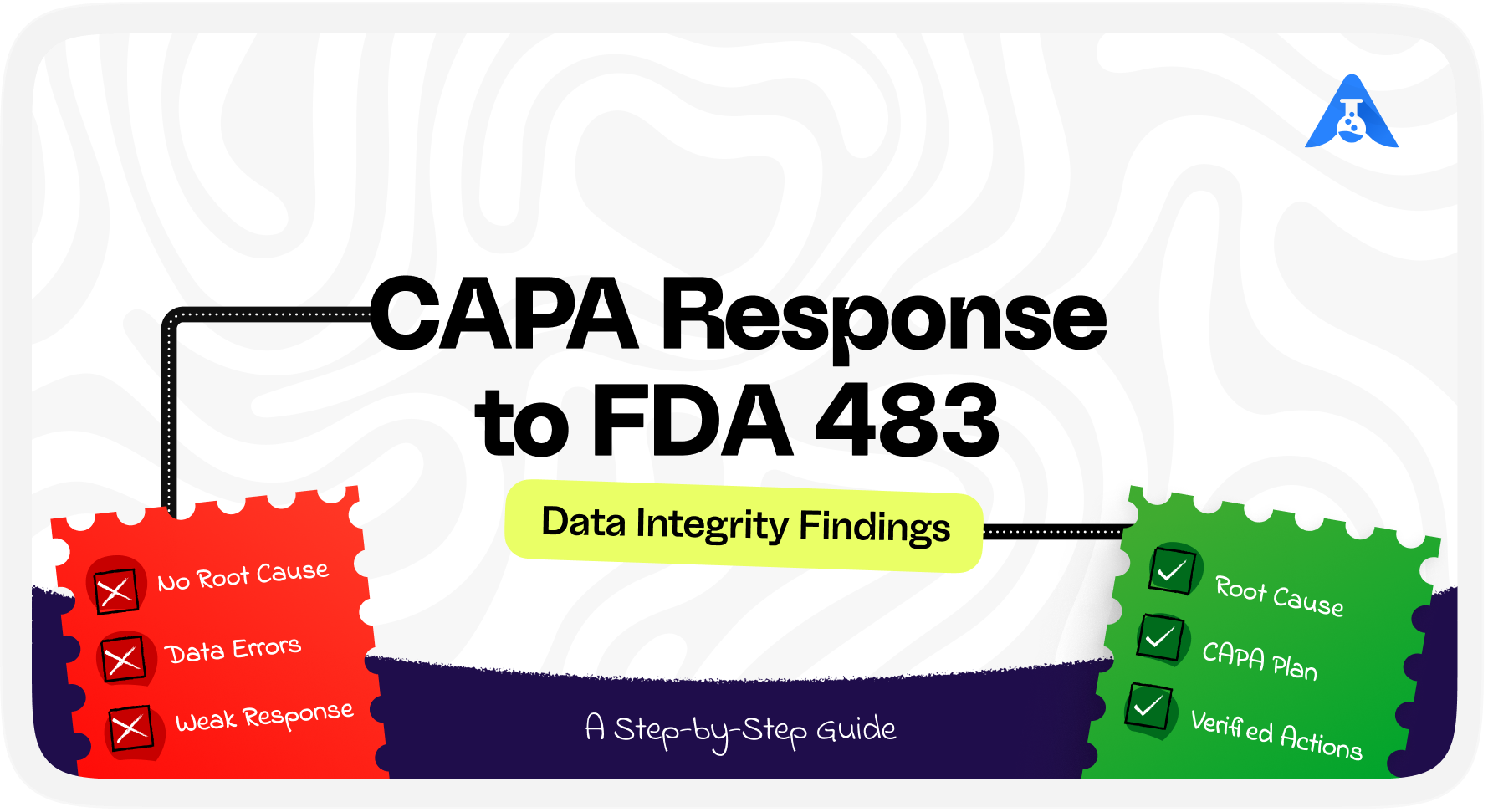
CAPA is central to FDA 483 remediation, ensuring that issues are addressed at their root cause rather than through temporary fixes. A structured CAPA process ensures accountability, traceability, and measurable outcomes.This helps laboratories demonstrate control and sustained compliance during regulatory review
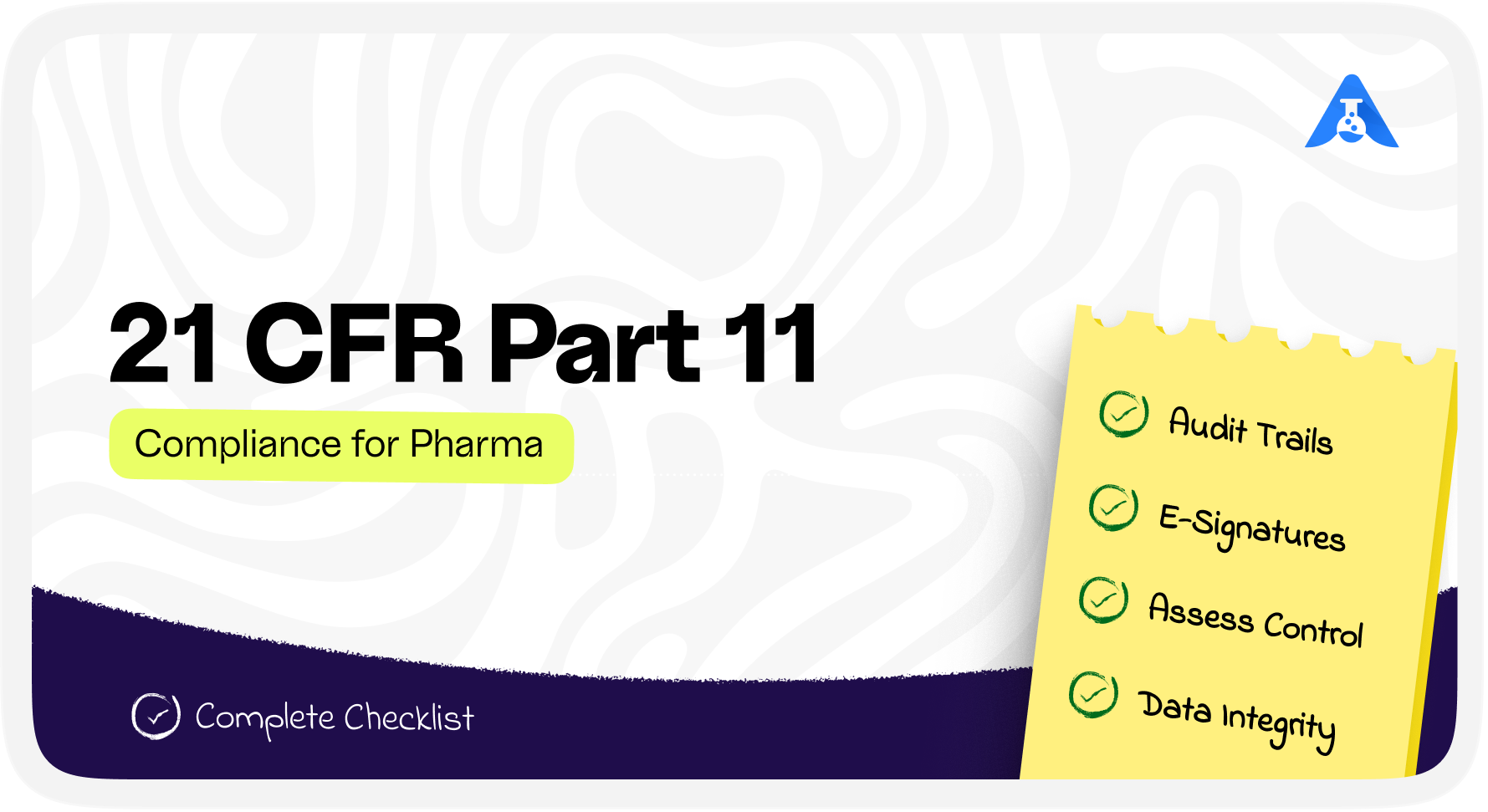
21 CFR Part 11 defines requirements for electronic records and signatures in regulated environments. Non-compliance in these areas is a common focus during inspections and remediation activities. Strengthening system controls ensures data integrity, traceability, and regulatory alignment

Learn the benefits of implementing a LIMS in your laboratory for quality control testing
 Download the Guide
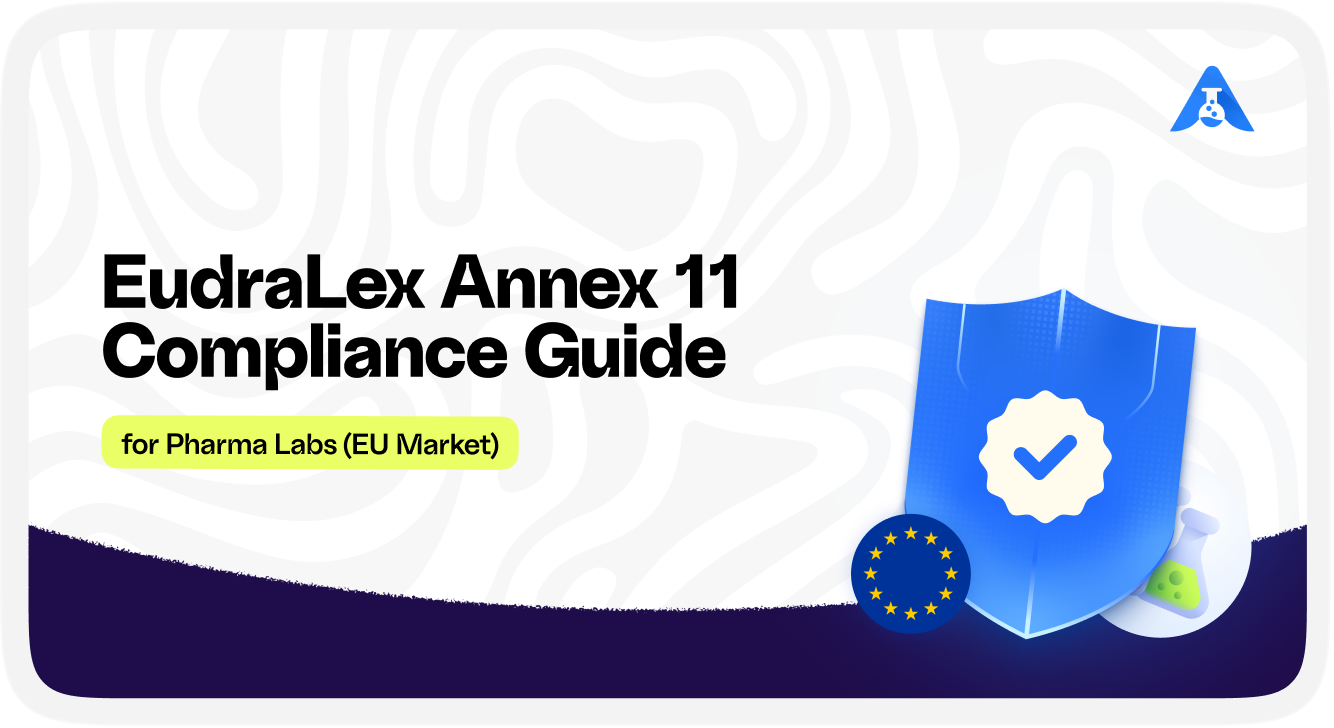
Pharma laboratories operating in the EU must comply with EudraLex Annex 11 requirements for computerized systems used in regulated activities. It ensures systems are validated, controlled, and capable of maintaining data integrity across the entire lifecycle. From QC testing to data reporting, Annex 11 focuses on making sure electronic systems are secure, traceable, and consistently managed in line with GMP expectations.
LIMS supports FDA 483 remediation by centralizing data, standardizing workflows, and improving traceability across QC operations. It reduces manual dependencies and ensures better control over compliance processes. This enables laboratories to manage remediation activities more effectively and maintain inspection readiness.
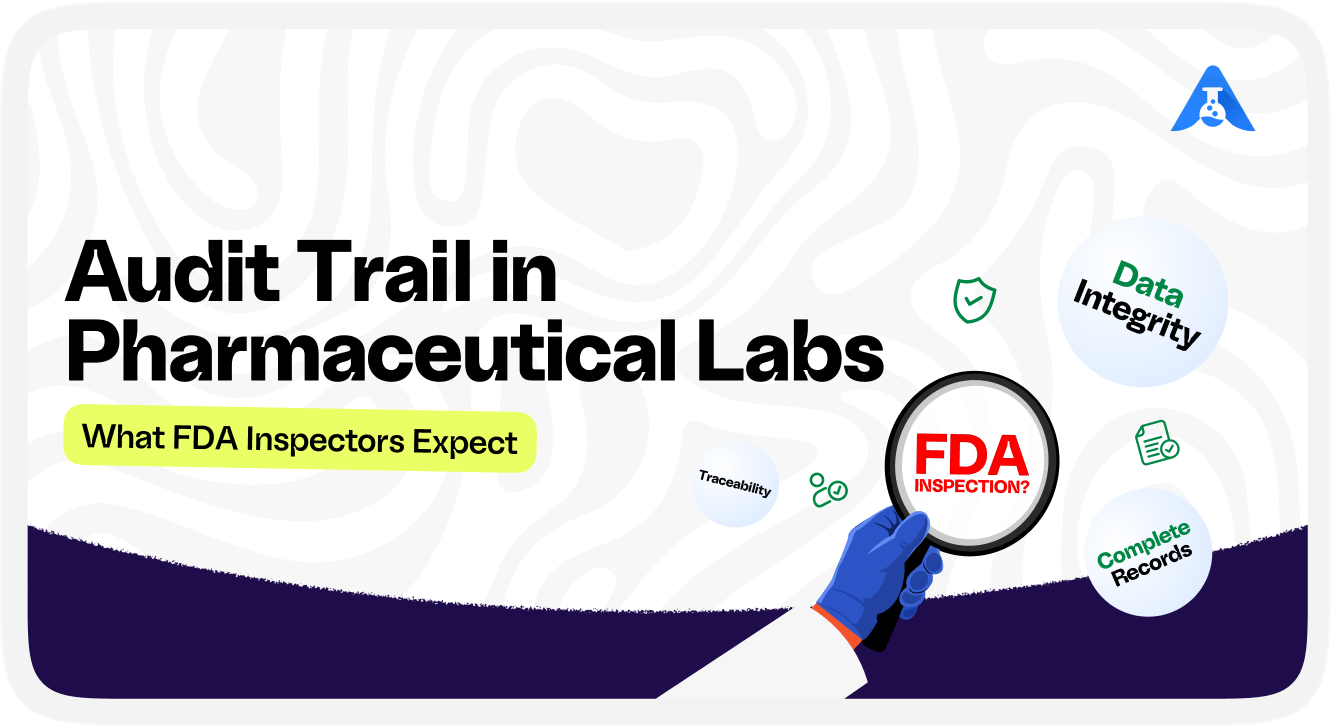
Audit trails are critical for ensuring transparency in QC operations and are closely reviewed during FDA inspections. Incomplete or inconsistent audit trails can raise concerns about data reliability and control. Strong audit trail practices improve traceability and support compliance verification
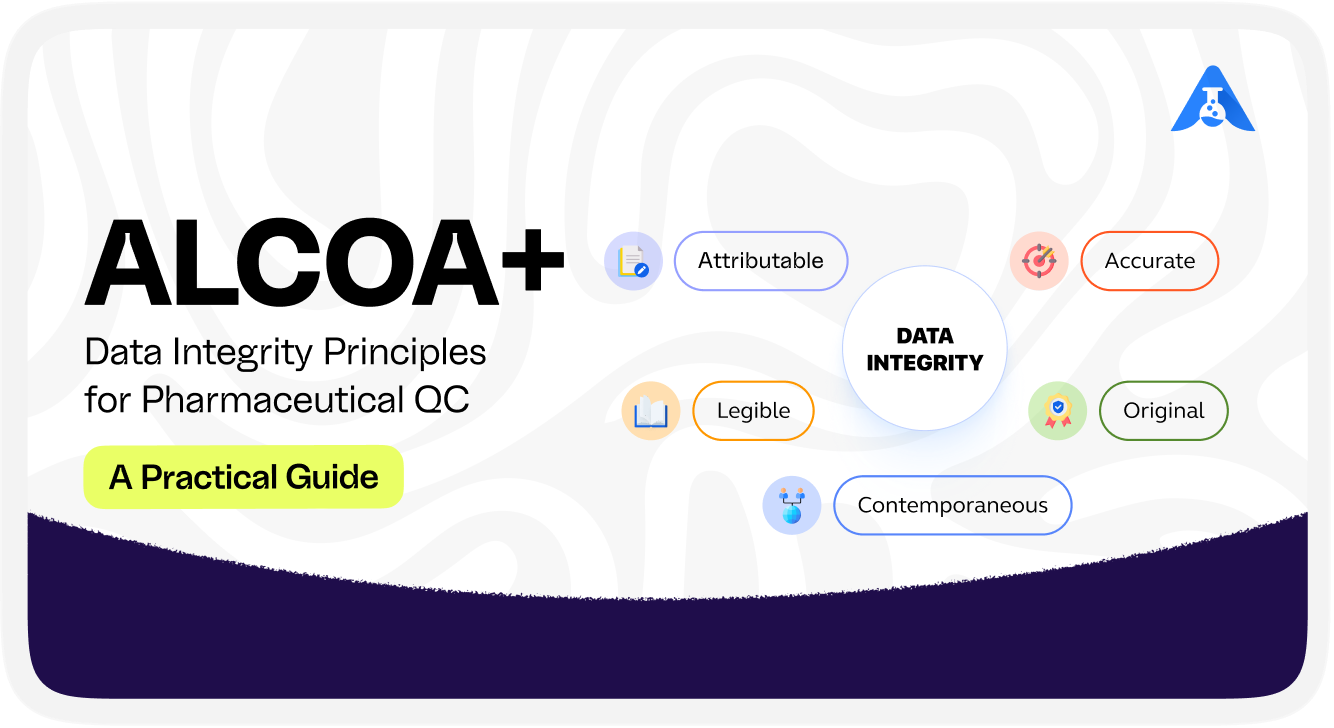
ALCOA+ principles define how laboratory data must be recorded and maintained to ensure integrity and reliability. Applying these principles across QC workflows helps strengthen consistency and regulatory compliance. They also serve as a foundation for reducing data integrity-related observations.
Legacy and non-compliant laboratory instruments often fall short of 21 CFR Part 11 expectations due to limited audit trails, weak access controls, and fragmented data handling. Agaram’s CFR Gateway addresses this gap by enabling compliant data capture and control without replacing existing instruments.
An effective response requires structured investigation, root cause analysis, and a well-defined CAPA plan with clear timelines and documentation. A connected digital environment helps track observations, manage actions, and maintain complete records for regulatory review. Reach out to plan your FDA 483 response strategy with the help of digital solutions.
Common causes include data integrity gaps, incomplete documentation, weak audit trails, and reliance on manual or disconnected systems. These issues often arise when data is spread across multiple tools without proper control. Get in touch to identify and address compliance gaps in your QC operations.
Improving data integrity requires controlled data capture, reduced manual intervention, and complete traceability. Streamlined workflows and integrated systems help ensure accurate, consistent, and audit-ready records. Connect with us to strengthen data integrity across your lab workflows .
CAPA ensures that observations are addressed at their root cause and not just corrected temporarily. A structured approach helps track actions, assign ownership, and verify effectiveness over time. Speak with our team to build an effective CAPA framework.
Audit readiness depends on maintaining complete documentation, controlled access, and traceable workflows. Consistent processes and well-managed records make it easier to demonstrate compliance during inspections. Talk to us about improving audit readiness across your QC operations .
Submit this form and our sales representative will
contact you soon.
Email Us:
sales@agaramtech.com



 Understand FDA Form 483 in detail
 Explore common FDA 483 data integrity observations
 Build a strong CAPA response strategy
 Download Brochure
  Contact Us